
A Digital Strategy That Converts Curious Clicks into Patients
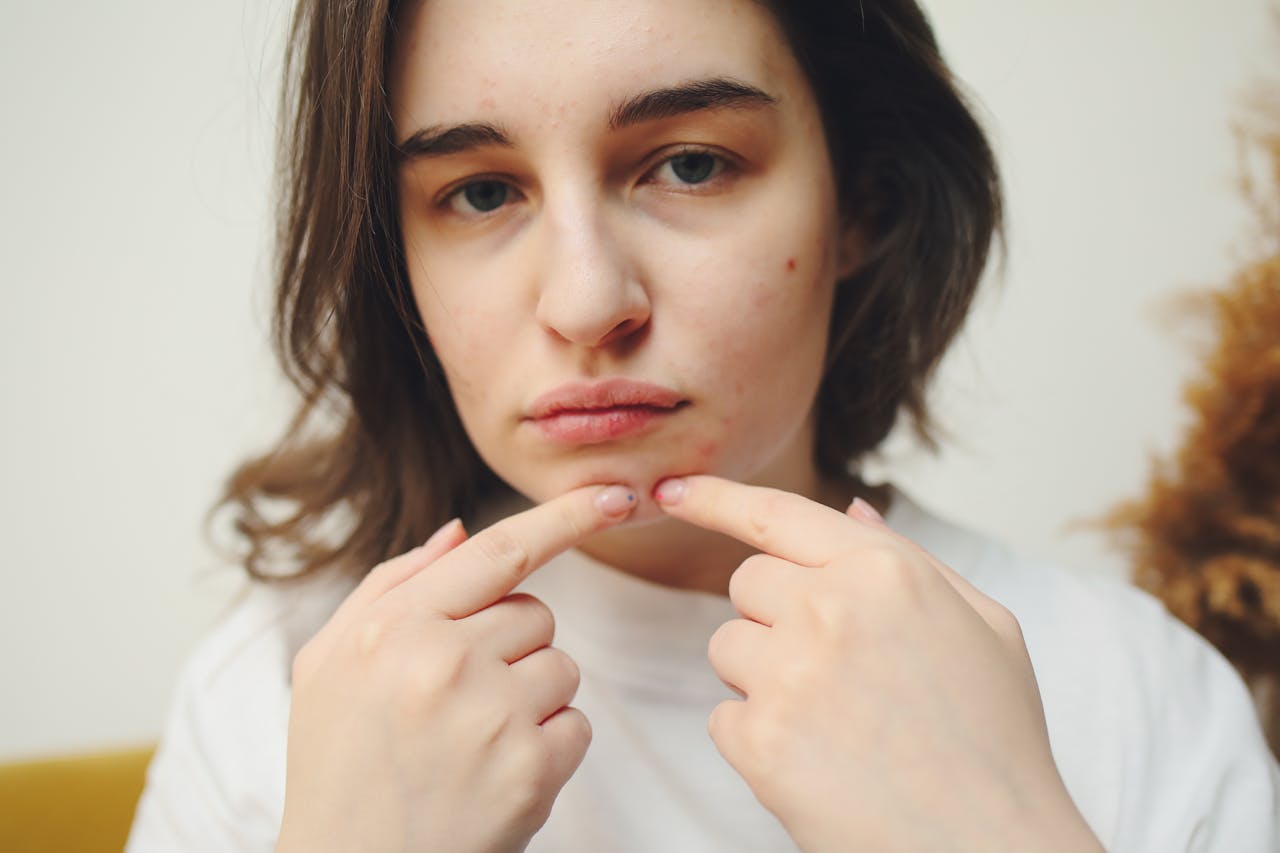
Acne and acne scarring attract a consistent flow of high-intent traffic to search engines and social platforms. Many of these people aren’t seeking entertainment or casual skin care tips; they’re trying to address issues that affect their confidence, professional lives, and daily routines. When they search, they are also assessing you. They want to know: Do you understand my situation? Do you offer options that are suitable for my skin? Can I trust your claims?
If your practice offers PRP, microneedling, and exosome-based treatments for acne concerns, your marketing should focus on two main goals. It must educate and persuade. Education builds trust, sets expectations, and reduces the number of low-quality leads. Persuasion converts that trust into booked consultations.
Here’s a proven method you can implement in your website, content plan, and paid advertising campaigns.
Begin with Intent, Not Tactics
Before writing a blog post or starting a campaign, ask yourself a simple question: What is the patient trying to figure out when they search? If your content answers a different question than the one on their mind, you’ll lose them.
Most acne prospects can be categorized into three stages of intent.
1) Cause and Diagnosis Intent
They are looking for explanations and patterns.:
- “Adult acne on chin.”
- “Why am I breaking out around my period?”
- “Whiteheads vs pustules.”
- “Acne suddenly worse.”
At this stage, they are not ready for a procedure page. They seek clarity and reassurance. They also want to understand what is normal and what requires medical attention.
2) Options and Outcome Intent
They are comparing treatments:
- “Microneedling for acne scars.”
- “PRP for acne scars.”
- “Best treatment for rolling scars.”
- “How many sessions for acne scarring?”
This is where regenerative messaging works well if you stay precise. Patients want to understand what the treatment does, what it feels like, the recovery time, the usual number of visits, and realistic expectations for improvement.
3) Provider Selection Intent
They are prepared to make a choice:
- “Acne scar treatment near me.”
- “Microneedling dermatologist [city].”
- “PRP facial clinic [city].”
Now they want proof, process, pricing details, and assurance that your clinic operates professionally.
Follow a simple rule: create one main landing experience for each stage of intent. If you direct everyone to a single generic “Acne Treatment” page, you place the burden on the patient to sort themselves out. Many will leave.
Build Credibility with Clear Clinical Education
Your audience includes medical professionals, but your marketing must also connect with patients. Your job is to explain clinical realities in language patients can understand, without sounding like a sales pitch.
Start by distinguishing two topics that patients often confuse:
- Active acne management focuses on reducing inflammation, preventing follicular blockage, controlling sebum production, addressing hormonal influences, and maintaining bacterial balance.
- Acne scar management focuses on dermal remodeling, collagen stability, texture issues, and pigment changes.
If your ads and pages blur these distinctions, you will attract the wrong leads and create dissatisfaction. A patient with active inflammatory acne may interpret “scar repair” messaging as “acne cure.” A patient with atrophic scars may interpret “acne treatment” messaging as topicals and antibiotics.
Ask a question directly on your page.
Are you aiming to stop breakouts, improve scarring, or both?
Then guide them onto the right path.
Add a brief candidacy section that establishes medical boundaries.:
- Who Benefits Most
- Who Needs Acne Control First
- Who Should Avoid a Procedure Right Now (e.g., Active Infection, Certain Medications, Uncontrolled Dermatitis)
- Why a Consultation Matters
This kind of content screens out inappropriate inquiries and improves the quality of consultations.
Explain Microneedling in a Way That Boosts Conversion
Microneedling is often marketed as a quick cosmetic procedure. This framing can lessen its perceived medical importance. Your content should describe it as a controlled treatment with a specific mechanism and scheduled sessions.
A clear explanation for clinicians that also benefits patients:
- Microneedling creates controlled micro-injuries in the skin.
- This prompts a wound-healing response that can support collagen remodeling.
- Over multiple treatments, the texture and appearance of atrophic scars can improve.
Recent clinical reviews and comparative studies support microneedling as an effective treatment for atrophic acne scars, especially when protocols are consistent and patients complete the full series. Your marketing can highlight studies showing improvements in scar appearance while also emphasizing that results vary depending on scar type, baseline severity, and adherence to aftercare.
On your landing page, answer the questions patients ask but rarely voice aloud:
- How many sessions are needed to see visible changes?
- What does “improvement” generally mean in real life?
- What is the daily downtime?
- Do rolling scars respond differently than boxcar scars?
- What happens if I have ongoing breakouts?
You can answer these without exaggerating. For example:
- Many patients require several sessions. Your treatment plan varies based on scar type and skin response.”
- “Expect slow progress, not instant results.”
- “Downtime varies depending on the device, depth, and your skin sensitivity.
Practical Content Assets That Drive Conversions
Use microneedling education to develop a conversion funnel:
- A pillar page: “Microneedling for Acne Scars” (service + education + FAQs + booking)
- Supporting post: “Rolling vs boxcar scars: what responds best?”
- A short video: “What microneedling does and what it does not do.”
Pre-Visit Guide: Aftercare, Redness Timeline, and What to Avoid Before Treatment
If you already share before-and-after images, add context:
- Baseline lighting and angle standards.
- Interval Between Sessions
- Total Treatment Counts
- Adjuncts used (if any), which protect trust and reduce claims risk.
Present PRP as a Biological Adjunct, not a Miracle Add-on
PRP attracts attention because it sounds advanced and “natural.” That also makes it easy to oversell. Your positioning should stay objective.
PRP basics in simple language:
- PRP comes from the patient’s own blood.
- It concentrates platelets that release growth factors and signaling proteins.
- These signals can aid tissue repair processes and may promote collagen remodeling when used in skin procedures.
Recent studies and meta-analyses on acne scarring show that PRP can improve outcomes across many protocols, especially when used alongside procedures that already promote remodeling. The literature also often highlights variability in PRP preparation, dosing, and session schedules. This variability is not a flaw for your marketing; it creates an opportunity to highlight your personalized clinical approach.
A simple question that builds trust:
Do you clearly explain your PRP protocol, or do patients feel it is an extra charge with unclear benefits?
What to Include on a PRP Page for Acne Scarring
- What PRP is and how it is prepared at your clinic
- How it is used (topical application after microneedling, intradermal injection, or as per protocol)
- What patients can expect (series-based plan, gradual change)
- Risks and common side effects, such as bruising, swelling, and temporary redness.
- Who is not a candidate (bleeding disorders, active infections, or other issues determined by a clinician)
You don’t need detailed lab information, but you do need a transparent process and clear expectations.
Explain Why Microneedling Plus PRP Usually Produces Good Results
Combination therapy links science with strategy without hype.
Here is a clear, patient-friendly explanation:
- Microneedling activates a repair response and can enhance texture gradually.
- PRP provides concentrated platelet signals during the initial healing phase.
- Recent comparative studies often show that the combination provides greater improvement than microneedling alone for atrophic acne scarring.
Patients don’t need you to recite endpoints; they want a clear, medically sound reason and a plan they can easily understand.
Add an outcomes section using language such as:
- “Many patients report visible texture improvements after a series.”
- “Results vary based on scar type, depth, and skin features.”
- “Your clinician will suggest a plan based on a scar assessment.”
Then include a conversion bridge.
Can you explain your plan in two sentences?
A patient should be able to repeat it to a friend.
Example:
First, we assess scar type and current acne activity. Then we create a treatment plan, often including microneedling with PRP to aid remodeling, along with photos to track progress.
Treat Exosomes as an Educational Topic with Strict Claim Regulation.
Exosomes are rapidly gaining interest in aesthetic medicine. Your marketing should be careful because evidence, product quality, and regulatory approval vary.
A clear and clinician-focused way to explain them:
- Exosomes are extracellular vesicles involved in cell-to-cell communication.
- They can carry signaling molecules that may influence inflammation and repair pathways.
- In dermatologic aesthetics, these are often discussed as a topical or supplementary component used alongside procedures.
Recent peer-reviewed reviews analyze potential mechanisms and also point out their limitations, including issues with standardization and the need for careful interpretation of clinical claims. For marketing, this clearly means you can educate without making promises about specific outcomes.
Add a straightforward “What we know / What is still being studied” section:
- What we know: definition, general mechanism category, and reasons why clinicians are interested
- Still being studied: optimal dosing, sources, long-term effects, and standardization across products.
A question that builds your credibility:
Are you willing to publish your patient selection criteria and clarify what you do not claim?
This method fosters trust, particularly with knowledgeable patients.
SEO Structure That Converts Education Into Appointments for Your Practice
If you want search traffic to convert, your site architecture needs a well-structured pathway. A practical model:
1) One Pillar Page for Each Service and Outcome
Create pages that match real search behavior:
- “Acne Scar Treatment in [City].”
- “Microneedling for Acne Scars.”
- “PRP for Acne Scars.”
- “Microneedling with PRP for Acne Scars.”
- If you use exosomes: “Exosomes in Aesthetic Dermatology: What Patients Should Know” (educational)
Each page should include:
- Clear definition of the problem addressed
- Who it Helps
- What is involved in the visits
- Typical session cadence
- Downtime and Aftercare
- Risks and Contraindications
- FAQs written in patient-friendly language
- A direct booking call-to-action
2) Organize Content That Answers Specific Questions
These are your high-value blog topics:
- “Rolling scars vs. boxcar scars: which treatments work best?”
- “Microneedling downtime: what to expect from day 1 to day 7.”
- “How PRP fits into acne scar treatment protocols.”
- “Active acne and scars: which one develops first?”
Write these with precise clinical accuracy and connect them to the pillar pages.
3) Proof Assets that Reduce Hesitation
- Photo Documentation Standards
- Short case summaries (treatments, session count, outcomes)
- Clinician Q&A videos
- A downloadable “Acne Scar Assessment Guide” to generate leads
Add visible author credentials and medical review notes to boost trust signals and enhance your content’s search performance.
Paid Media That Attracts High-Intent Leads and Protects Your Budget
Paid campaigns perform best when they target intent and direct users to pages that specifically answer the question the ad raises.
Paid Search
Focus on treatment-intent keywords:
- “Acne scar treatment near me.”
- “Microneedling acne scars cost.”
- “PRP acne scars.”
- “Best treatment for rolling scars.”
Ad copy should stay specific and measured:
- “Acne scar assessment and treatment plan.”
- “Microneedling with PRP options.”
- “Board-certified clinician evaluation” (only if true)
Your landing page should deliver on the promise. If your ad mentions acne scarring, do not send clicks to a generic med spa page.
Paid Social
For social, education performs well:
- 20 to 30-second videos explaining scar types
- A clinician explaining what microneedling can improve
- A “what happens at a consultation” walkthrough
Then retarget:
- Video viewers get a scar guide download
- Site visitors get a consultation prompt
- Guide downloaders get a scheduling reminder
Maintain consistency in your claims across ads, pages, and staff scripts. Patients can sense inconsistencies.
A Messaging Framework You Can Use Across Channels
Use a repeatable sequence that matches how patients decide:
- Problem: Identify the specific concern (active acne, scars, texture)
- Mechanism: Explain how the treatment works in plain language
- Proof: Provide measured outcomes and process transparency (photos, series plan, clinician oversight)
- Process: Outline steps from consultation to aftercare
- Pricing context: If you share price ranges, add what drives cost (sessions, combinations, scar severity)
- CTA: “Book your scar assessment” or “Request a consult.”
Here is a direct test:
Can your receptionist explain the plan using the same words as your website?
Otherwise, you’ll lose conversions after the click.
Conversion Improvements That Enhance Medical Services
Many clinics focus on traffic and forget booking friction. Fix the basics:
- Place booking CTAs above the fold and after key sections (candidacy, FAQs, gallery).
- Offer two conversion paths:
- “Book a consultation.”
- “Get the acne scar guide” (for people who need time)
- Add expectation details that reduce anxiety:
- What the consultation includes
- Visit length
- Photo documentation process
- When a patient can return to work
Track what matters:
- Cost per consultation request
- Call volume from paid and organic
- Consult the show rate
- Consult-to-procedure rate
Ask a final question that connects science to marketing results.
Are you tracking clicks, or are you tracking booked assessments and finished treatment plans?
Your marketing should be assessed based on its impact on the clinical schedule, not by impressions.
If you align your educational content with patient intent, support it with recent clinical evidence, and clearly outline processes and expectations, you will attract patients who are ready for genuine care. That is how curious clicks turn into consultations, and consultations turn into treatment series.
If you’re ready to boost your clinic’s visibility and attract high-intent acne patients, explore advanced solutions at Nanopen Pro and see how modern microneedling technology supports better outcomes.
Turn Acne Scar Searches into Booked Consultations with Networld Online
Marketing PRP, microneedling, and exosome-based services for acne are most effective when your strategy aligns with genuine search intentions and the clinical decisions patients aim to make. Posting occasional blogs is rarely sufficient. You need structured keyword research, condition-specific pillar pages, supporting content that addresses scar-type questions, clear internal linking, compliant messaging, conversion-focused landing pages, and performance tracking that links marketing efforts to consultation requests.
Networld Online specializes in digital marketing for healthcare professionals. We understand how acne patients search, how evidence-based education builds trust, and how to connect treatment explanations with measurable booking results. Our team designs data-driven SEO and paid media campaigns that place your clinic in front of patients comparing microneedling, PRP, and combination therapies, while aligning expectations and claims with clinical realities.
If you want your website to attract targeted acne-scar traffic, establish authority through educational content, and convert visitors into scheduled assessments, take the next step. Contact Networld Online today to discuss a personalized content and advertising plan tailored to your acne and aesthetic services.
References
- Kang C, Lu D. (2022). Combined Effect of Microneedling and Platelet-Rich Plasma for the Treatment of Acne Scars: A Meta-Analysis. Frontiers in Medicine, 8:788754. https://doi.org/10.3389/fmed.2021.788754
- Ismail SA, Khella NAHK, Abou-Taleb DAE. (2022). Which is more effective in atrophic acne scar treatment: microneedling alone, platelet-rich plasma alone, or both therapeutic modalities combined? Dermatologic Therapy, 35(12):e15925. https://doi.org/10.1111/dth.15925
- Manishaa V, Senthil Murugan P. (2024). Evaluation of the Efficacy of Platelet-Rich Plasma Injections With and Without Microneedling for Managing Atrophic Facial Acne Scars: A Prospective Comparative Study. Cureus, 16(5):e60957. https://doi.org/10.7759/cureus.60957
- Li H, Jia B, Zhang X. (2024). Comparing the efficacy and safety of microneedling and its combination with other treatments in patients with acne scars: a network meta-analysis of randomized controlled trials. Archives of Dermatological Research, 316(8):505. https://doi.org/10.1007/s00403-024-03256-x
- Măgerușan ȘE, Hancu G, Rusu A. (2024). Current Understanding of Microneedling Procedures for Acne Skin: A Narrative Review. Cosmetics, 11(6):193. https://doi.org/10.3390/cosmetics11060193
- Cruciani M, Masiello F, Pati I, Pupella S, De Angelis V. (2024). Platelet rich plasma use for treatment of acne scars: an overview of systematic reviews. Blood Transfusion, 22(3):226–238. https://doi.org/10.2450/BloodTransfus.536
- Ebrahimi Z, Alimohamadi Y, Janani M, Hejazi P, Kamali M, Goodarzi A. (2022). Platelet-rich plasma in the treatment of scars, to suggest or not to suggest? A systematic review and meta-analysis. Journal of Tissue Engineering and Regenerative Medicine, 16(10):875–899. https://doi.org/10.1002/term.3338
- Aljefri YE, Ghaddaf AA, Alahmadi RA, Alkhamisi TA, Alkhunani TA, Samarkandy SJ, Alamri AM. (2022). Ablative fractional carbon dioxide laser combined with autologous platelet-rich plasma in the treatment of atrophic acne scars: A systematic review and meta-analysis. Dermatologic Therapy, 35(12):e15888. https://doi.org/10.1111/dth.15888
- Gawdat HI, El-Hadidy YA, Allam RSHM, Abdelkader HA. (2022). Autologous platelet-rich plasma “fluid” versus “gel” form in combination with fractional CO2 laser in the treatment of atrophic acne scars: a split-face randomized clinical trial. Journal of Dermatological Treatment, 33(5):2654–2663. https://doi.org/10.1080/09546634.2022.2067816
- Moftah NH, Mansour N, El-Ashmawy AA, El-Raouf MA, Shady EA. (2022). Clinical evaluation of efficacy of intralesional platelet-rich plasma injection versus 1064 nm long-pulsed Neodymium:YAG laser in the treatment of inflammatory acne vulgaris in adolescent and post-adolescent patients: a prospective randomized split-face comparative study. Lasers in Medical Science, 37(5):2441–2450. https://doi.org/10.1007/s10103-022-03510-6
- Olumesi KR, Goldberg DJ. (2023). A review of exosomes and their application in cutaneous medical aesthetics. Journal of Cosmetic Dermatology, 22(10):2628–2635. https://doi.org/10.1111/jocd.15930
- Dal’Forno-Dini T, Souilljee Birck M, Rocha M, Bagatin E. (2025). Exploring the reality of exosomes in dermatology. Anais Brasileiros de Dermatologia, 100(1):121–130. https://doi.org/10.1016/j.abd.2024.09.002
