
The SEO Advantage of Writing Condition-Specific Pages for Chronic Pain
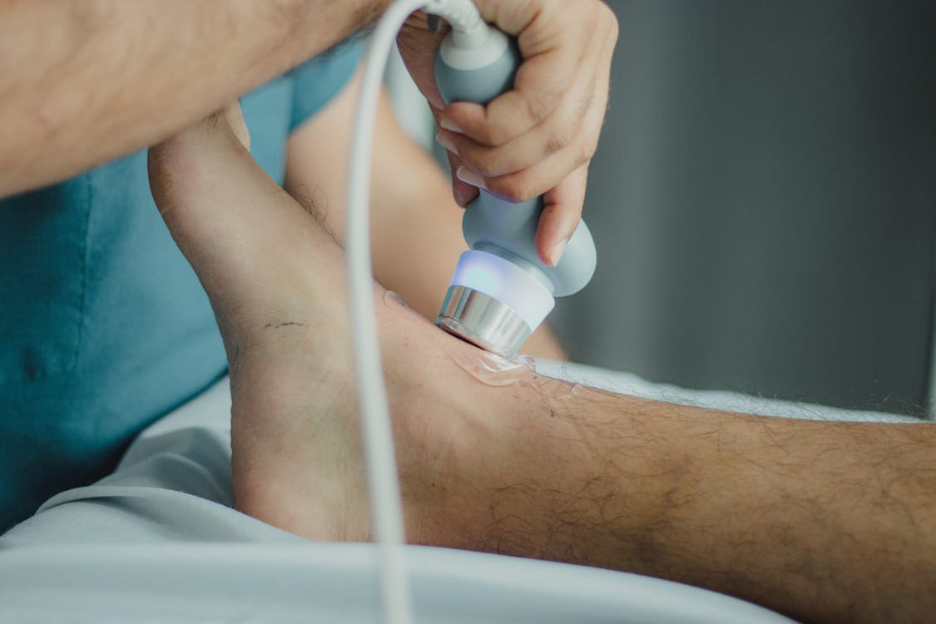
A patient awakens at 2 AM experiencing radiating leg pain. They do not search for “comprehensive pain management services.” Instead, they type “sciatica pain relief near me” into Google. Many pain management websites are not displayed in the search results because they are constructed around procedure names rather than addressing patient concerns.
Condition-specific pages directly address this gap. Unlike procedure pages, which concentrate on treatment names such as “epidural steroid injection,” condition pages emphasize what patients typically search for: symptoms, diagnoses, and relief.
Regarding chronic pain practices, this content strategy provides three primary benefits: improved search rankings for symptom-related queries, enhanced E-E-A-T signals for Google’s quality assessments, and increased conversion rates from patients who have already acquired relevant education.
How Chronic Pain Patients Search Online
Patients suffering from chronic pain frequently utilize the internet as their primary source of information before seeking medical care. A considerable proportion of individuals with chronic pain rely on the internet to acquire medical information related to pain [1].
Numerous individuals also integrate online research with consultations. The implication for pain management websites is straightforward: when patients begin their journey by searching, practices that do not address symptom-related inquiries will not be discoverable.
Search patterns related to musculoskeletal pain indicate that patients infrequently employ clinical terminology. Research on keyword extraction for musculoskeletal discomfort has found that individuals typically use descriptive language about symptoms—such as body locations, sensations, and limitations—rather than formal diagnoses or procedural terminology [2]. For example, a patient experiencing knee pain does not search for “chondromalacia patellae treatment.” Instead, they inquire about “knee pain when climbing stairs.”
Google’s search behavior data substantiates a distinct shift towards condition-specific inquiries. Keywords such as “knee pain relief” have shown consistent growth in search volume, and “near me” healthcare searches have doubled, indicating that patients are prepared to take action [3].
For pain management practices, this means generic service pages are insufficient.
Google’s E-E-A-T Framework and Condition Pages
Google’s Helpful Content Update has fundamentally altered the evaluation criteria for medical content. The algorithm now penalizes pages that lack procedural specifics, recovery timelines, candidacy requirements, and realistic outcome expectations [4].
Healthcare websites that primarily generate content for search rankings rather than user assistance have experienced notable declines in rankings, especially within YMYL (Your Money, Your Life) categories, such as chronic pain management [3]. The recent update expanded the E-A-T framework to E-E-A-T, incorporating “Experience” as an essential ranking factor for medical content [3] [4].
Condition-specific pages demonstrate E-E-A-T more effectively than general procedure pages for multiple reasons. These pages inherently integrate patient-centered language, encompass practical management strategies reflecting real-world experience, and provide space for author credentials, citations, and candid discussions of treatment outcomes.
Google’s quality guidelines now explicitly require these signals for healthcare content to rank well [5].
Procedure pages, in contrast, frequently fall into the category of “thin content” that is specifically targeted by Google’s updates; these are pages containing fewer than 800 words, lacking sufficient context, exhibiting duplicate location-specific content, and relying on templated descriptions devoid of specificity [6].
A pain management practice that comprises twenty procedure pages but lacks condition pages is likely to rank poorly in searches that patients typically perform.
Local Intent and the Geography of Chronic Pain
Most searches related to chronic pain incorporate a geographic element. More than 50% of local searches conducted on mobile devices lead to a visit to a physical store within 24 hours. Additionally, in healthcare inquiries, the phrase “near me” has become the primary modifier [7]. Patients seek a pain management specialist within a convenient driving distance who is equipped to treat their particular condition.
Condition-specific pages optimized for local search are an excellent way to engage the appropriate audience. For instance, a page entitled “Sciatica Treatment in Chicago” explicitly indicates both the medical condition and the geographical location, thereby enhancing its relevance. Google’s local ranking algorithm evaluates three principal factors to establish this relevance.
- Relevance,
- Distance, and
- Prominence.
Condition pages enhance relevance by aligning with query intent, whereas local keywords and Google Business Profile optimization address the remaining two factors [6].
In competitive markets, the distinction between ranking within the local pack and appearing on the second page is frequently attributable to the precision of the ranking conditions. A study conducted in 2025 involving 3,269 Google Business Profiles across various healthcare categories revealed that review volume, which accounts for 26% of visibility in the top ten, and the relevance of keywords within review content, at 22%, differentiate the leading entities from their competitors. Proximity, however, is deemed inadequate on its own.
Condition pages contribute to both factors by naturally generating relevant keyword signals.
From Education to Consultation
Condition pages serve a purpose beyond simply ranking; they facilitate conversion. Patients who access a page that explains their symptoms, details potential causes, outlines diagnostic methods, and presents treatment options are educated before engaging with a healthcare provider. This form of education shortens the decision-making process and enhances the quality of consultations.
Research on patient trust in direct-to-consumer healthcare advertising has identified information transparency and clear educational content as the principal factors influencing patient trust. Moreover, prominently displaying clinician credentials and providing evidence-based explanations of treatment options substantially enhance trust levels [8].
A 2025 analysis revealed that over 60% of patient inquiries originate from specialty, disease, or procedure pages, with treatment-specific pages achieving conversion rates that are 40-60% higher than those of generic service listings.
The mechanism is straightforward. A generic “Pain Management” page endeavors to accommodate all patients but ultimately fails to serve any effectively. Conversely, a “Chronic Lower Back Pain” page addresses the needs of a specific patient with a particular concern. Such a patient is likely to trust the practice before their initial telephone contact.
Building a Condition-First Content Architecture
Transitioning to condition-focused content necessitates systematic implementation. Practices should initially conduct a gap analysis of existing content against the most prevalent patient searches. Instruments such as Google Ads Keyword Planner and Google Trends can be utilized to identify high-volume, condition-specific terms with location modifiers [9].
For each priority condition, a dedicated page should be created, comprising 800 to 1,200 words. Essential components include a clear headline that identifies the condition and its location; a patient-friendly overview of symptoms and causes; diagnostic approaches available at the practice; treatment options linked to relevant procedure pages; expectations and timelines for recovery; and explicit calls to action to schedule consultations.
A hypothetical webpage titled “Knee Pain Treatment in Austin” could encompass sections discussing common causes of knee pain (such as osteoarthritis, meniscus tears, and tendinitis), available non-surgical treatment options at the practice, expectations during the initial consultation, details regarding insurance and self-pay options, and patient testimonials. This structure is designed to address all inquiries a prospective patient may have before scheduling an appointment.
The Competitive Window Is Narrow
Pain management SEO has become more competitive. Google has prohibited paid advertising for regenerative medicine, making organic SEO one of the few remaining channels for promoting these services [4]. The opportunity to target condition-specific search terms is diminishing as more practices implement symptom-first content strategies.
Nevertheless, the majority of practices continue to depend on antiquated, procedure-based frameworks. This configuration confers a first-mover advantage upon clinics that systematically develop condition-specific pages. Practices that create condition pages aligned with the actual search queries patients perform will achieve higher rankings than competitors who remain unrecognized. [10]
A condition-first content strategy commences with patient-centered language rather than clinical terminology. Each webpage addresses a specific symptom-related inquiry. Internal links connect condition-related pages to pertinent procedure pages, thereby establishing a comprehensive content ecosystem that supports patients throughout every phase of their journey. Furthermore, each page concludes with a straightforward and accessible pathway to consultation. [11] [12]
Networld Online develops tailored content strategies for pain management practices. We explore patient search behaviors, focus on key conditions, and create informative pages that not only rank well for symptom-based queries but also educate patients and encourage them to seek consultations.
Contact Networld Online to discuss a condition-focused content plan for your practice.
References
- Nickel SEO, “SEO for Doctors 2025 – Guide to Winning Google Search for Medical Practices,” Nickel SEO Blog, Aug. 11, 2025. [Online]. Available: https://nickelseo.com/blog/seo-for-doctors-2025-guide-to-winning-google-search-for-medical-practices/
- L. C. da Silva et al., “Exploring online health information-seeking behavior for musculoskeletal pain in Europe: A study protocol combining expert panel insights with search trends on social media and Google,” Digital Health, vol. 10, Nov. 18, 2024. [Online]. Available: https://pubmed.ncbi.nlm.nih.gov/39559389/
- Granularity, “What’s Fuelling Pain Relief Trends in 2025,” Granularity Market Insights, 2025. [Online]. Available: https://granularity.ca/blog/pain-managment-trends
- Elevated Med Marketing, “Pain Management SEO: Grow Patients in 2025,” Elevated Med Marketing Insights, Jul. 21, 2025. [Online]. Available: https://elevatedmedmarketing.com/pain-management-seo/
- Google, “Search Quality Evaluator Guidelines: January 2025 Update,” Google Search Central, Jan. 2025. [Online]. Available: https://services.google.com/fh/files/misc/hsw-sqrg.pdf
- V. Etavrian, “2025 study of 3,269 profiles reveals what separates the top 10 in Google local rankings,” Etavrian SEO Reports, Sep. 23, 2025. [Online]. Available: https://www.etavrian.com/news/proximity-reviews-google-local-top10
- MedElite Agency, “Clinic SEO After Google’s Helpful Content Update,” MedElite Insights, May 8, 2025. [Online]. Available: https://www.medelite.agency/post/clinic-seo-after-google-helpful-content-update
- Y. J. Choi, L. C. Kim, and S. R. Ortiz, “Demographics and attitudes of chronic-pain patients who seek online pain-related medical information,” Am. J. Phys. Med. Rehabil., vol. 89, no. 2, pp. 141-146, Dec. 2009 (Updated 2025). [Online]. Available: https://pubmed.ncbi.nlm.nih.gov/40453519/
- B. Johnston, “FTC Targets Telehealth and Pain Management Clinics for Deceptive Marketing,” Nat. Law Rev., vol. XV, no. 224, Aug. 12, 2025. [Online]. Available: https://natlawreview.com/article/ftc-telehealth-weight-loss-marketing-settlement
- J. Lee, “Healthcare SEO trends for 2025: Use them to stay competitive,” Tebra: The Intake, Oct. 26, 2025. [Online]. Available: https://www.tebra.com/theintake/medical-deep-dives/tips-and-trends/stay-competitive-essential-healthcare-seo-trends
- K. Halvarson, “Stop Losing Patients to Competitors: 10 Patient-Focused Content Strategies That Convert Browsers into Bookings,” Khalvarson Digital, Oct. 23, 2025. [Online]. Available: https://khalvarson.com/blog/stop-losing-patients-to-competitors-convert-browsers-into-bookings/
- Healthcare Martech, “Patient Journey Mapping for Orthopedic and Specialized Clinics,” Healthcare Martech Reports, 2025. [Online]. Available: https://www.healthcaremartech.com/patient-journey-mapping-2025
